
Radon Testing During Commercial Tenant Fit-Outs: When to Test
By Jake Lusby · Air Sense Environmental
Commercial radon testing during a tenant fit-out presents a critical timing challenge for property managers and incoming tenants in St. Louis, MO, and neighboring St. Charles County. Incorrectly timed tests, particularly before new HVAC zones or demising walls are installed, can yield invalid results that do not reflect the true radon exposure risk. Major renovations can significantly alter a building’s internal air pressure dynamics and potential radon entry pathways, according to EPA guidelines. This guide explains the optimal phases for commercial radon testing during tenant improvements, details how structural changes impact accuracy, outlines EPA recommendations, and discusses coordination strategies to ensure adherence to health guidelines and occupant safety.
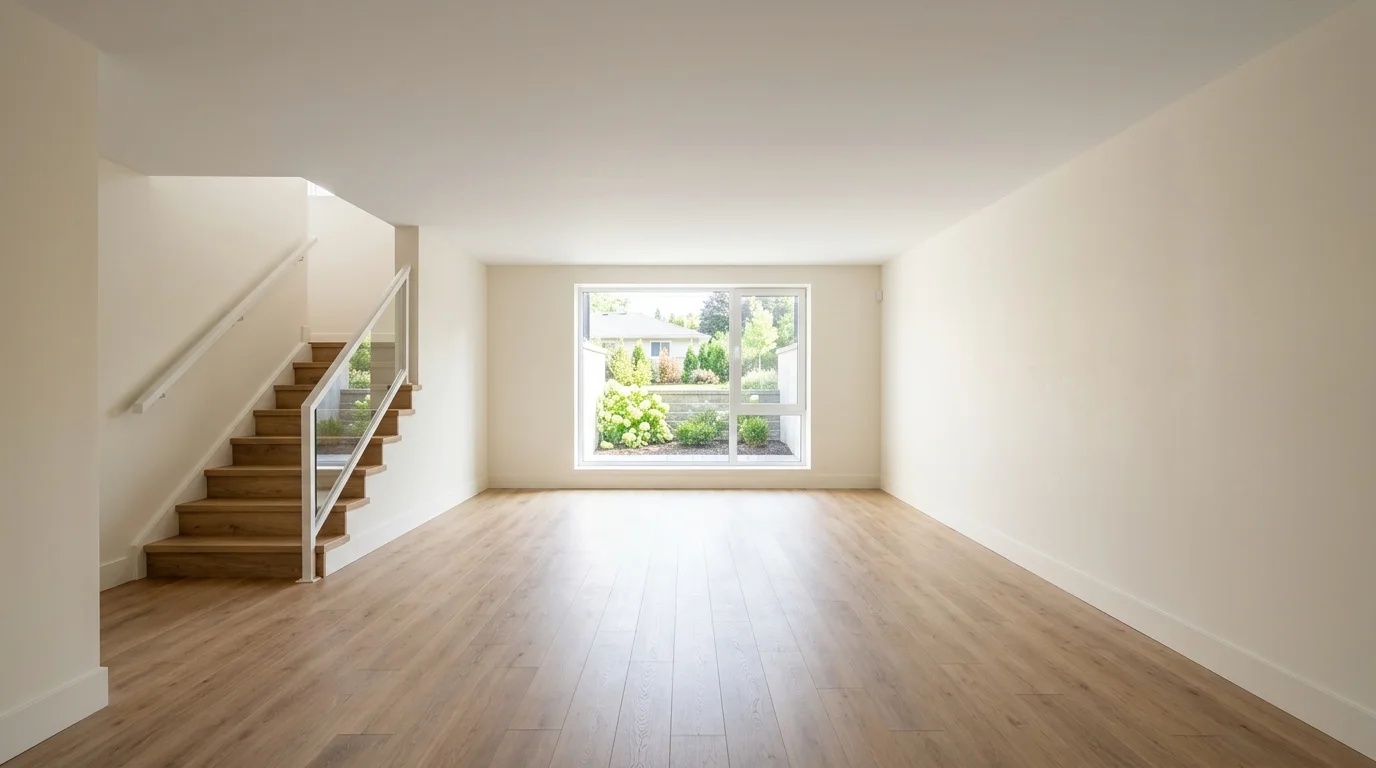
When should commercial radon testing occur during a tenant fit-out?
Accurate radon testing during commercial tenant fit-outs requires precise timing to avoid invalid data, retesting, and potential occupancy delays. Understanding the optimal phases for testing ensures reliable results for your commercial property. For comprehensive guidance on commercial radon services, consult a qualified mitigation professional.
Pre-Construction Baseline Testing
While an initial baseline test before construction can provide preliminary data, it may not reflect future conditions. Significant structural changes, such as new demising walls or HVAC systems, will alter air pressure and radon entry dynamics. This initial test should therefore be viewed as preliminary.
Post-HVAC and Demising Wall Installation
The most critical time for testing is after major structural and mechanical changes are complete. New demising walls create distinct pressure zones, and updated HVAC systems can dramatically influence airflow throughout the building. Testing after these installations ensures results accurately reflect the tenant’s operational environment. The EPA recommends taking action if radon levels reach or exceed 4.0 pCi/L.
Final Post-Occupancy Verification
Once the tenant fit-out is fully complete and the space is occupied and operating under normal conditions, a final verification test is advisable. This confirms that all modifications and ongoing operations do not inadvertently contribute to elevated radon levels, providing assurance for long-term safety and risk management.
How do tenant fit-out changes affect commercial radon test accuracy?
Commercial tenant fit-out changes alter a building’s internal air pressure dynamics and potential radon entry points, which directly impacts test accuracy. These modifications disrupt existing pressure differentials, influencing how radon gas enters from the soil and rendering pre-renovation test results unreliable. The EPA notes that major renovations can change radon levels in any home, a principle equally applicable to commercial spaces. Accurate testing requires stable building conditions that reflect the final occupied state, ensuring detected radon levels truly represent the tenant’s environment.
HVAC System Modifications
New HVAC zones, ductwork, and fan systems change how air moves within a commercial property. These alterations create new pressure differentials, either drawing more radon into specific areas or altering existing pathways. An HVAC system designed for a different layout can inadvertently create negative pressure zones, increasing radon entry.
New Demising Walls and Structural Changes
Installing new demising walls, sealing floors, or making other structural modifications can compartmentalize spaces and affect airflow. These changes can trap radon in newly enclosed areas or create new suction points where the gas can enter. Testing before these changes are complete may not reflect the actual radon exposure risk in the finished tenant space.
What are the EPA guidelines for commercial radon testing during renovations?
The EPA, in collaboration with industry standards such as ANSI/AARST MA-MFLB-2023, provides specific recommendations for radon measurements in commercial and mixed-use buildings, particularly when structural changes occur. These guidelines emphasize testing under normal operating conditions to ensure accurate results. The EPA action level for radon is 4.0 pCi/L, meaning the agency recommends mitigation at or above this concentration.
Major renovations, including tenant fit-outs, can significantly alter a building’s internal air pressure dynamics and potential radon entry pathways. Changes like new demising walls, HVAC system modifications, or alterations to the building envelope impact how radon enters and accumulates. Therefore, the EPA advises retesting after such significant structural work is completed to verify that measured radon levels accurately reflect the building’s new configuration and operational state. Key EPA recommendations for commercial testing include:
- Testing under normal conditions: Operate the HVAC system as it will function during typical tenant occupancy.
- Retesting after structural changes: Always conduct a new test following the installation of demising walls or new ventilation zones.
- Taking action at 4.0 pCi/L: Implement mitigation strategies if radon concentrations reach or exceed this threshold.
What are the risks of inaccurate commercial radon testing for St. Louis businesses?
Inaccurate or improperly timed radon testing in St. Louis commercial properties carries substantial risks, including significant liabilities, undetected health hazards, and expensive emergency mitigation. The U.S. Environmental Protection Agency emphasizes that any radon exposure poses some risk, with no known safe level, and recommends action for levels at or above 4.0 pCi/L, as detailed in their action level guidance.
Major structural changes during a tenant fit-out can alter a building’s radon levels, making retesting after renovations crucial for valid results. The EPA Home Buyer’s and Seller’s Guide to Radon advises retesting if significant alterations or HVAC system changes have occurred since the last test.
Legal Liabilities
Undetected high radon levels can expose St. Louis property owners and managers to legal challenges. Following established health guidelines from the EPA is essential to protect occupants and mitigate potential claims related to long-term health impacts.
Undetected Health Risks
Radon is a known human carcinogen. Prolonged exposure is the second leading cause of lung cancer after smoking, as warned by the Surgeon General. Inaccurate testing means commercial occupants could be unknowingly exposed to elevated levels, increasing their risk over time.
Costly Emergency Mitigation
Discovering elevated radon levels after a tenant fit-out is complete often necessitates emergency mitigation. Retrofitting a system into an occupied or newly finished commercial space can be significantly more disruptive and expensive than integrating mitigation during the construction phase, incurring higher labor and material costs alongside potential business interruption.
How should property managers coordinate radon testing with fit-out contractors?
Coordinating commercial radon testing during a tenant fit-out is essential for accurate results. Air Sense Environmental, with IEMA license #RNM20232346 and NRPP certification, offers targeted services across the St. Louis metropolitan area. Our professionals align testing with HVAC and structural milestones, preventing invalid results from changes in air pressure and demising walls. This ensures accurate data for tenant safety and project planning, and effective coordination involves several key steps:
- Early Engagement: Involve a qualified radon professional early in the fit-out planning phase to establish a testing strategy that accounts for construction phases.
- Phased Testing: Schedule baseline testing before significant structural changes, followed by retesting once new demising walls and HVAC systems are installed and operational.
- Communication Protocols: Ensure all contractors understand the need for closed-house conditions during testing periods to prevent interference and maintain test validity.
- Post-Occupancy Verification: Conduct a final verification test after the tenant occupies the space to confirm that normal operating conditions do not re-elevate radon levels.
Is pre-occupancy radon testing mandatory for all commercial fit-outs in Missouri?
No, pre-occupancy radon testing is not a statewide legal mandate for commercial fit-outs in Missouri, though local building codes can vary. However, testing is highly recommended by the EPA to ensure occupant safety and mitigate potential liabilities. The EPA action level for radon is 4.0 pCi/L, at or above which mitigation is advised. Conducting a test after major renovations, such as a tenant fit-out, ensures that new building configurations and HVAC systems do not inadvertently create elevated radon levels, providing a clear picture of the actual risk.
How long does a commercial radon test typically take during a tenant fit-out?
Commercial radon testing during a tenant fit-out typically involves short-term tests, which can range from a minimum of 48 hours up to 90 days, depending on the device and urgency. The EPA recommends maintaining closed-house conditions for at least 12 hours before and throughout the test period to ensure accurate results. Longer-term tests (over 90 days) can provide a more accurate year-round average but are less common during time-sensitive fit-outs.
To maintain test validity, the EPA specifies closed-building conditions:
- Keep exterior doors and windows closed: Only open them briefly for normal entry and exit.
- Maintain standard HVAC settings: Operate heating and cooling systems normally, avoiding modes that bring in excessive unconditioned outside air.
- Start conditions early: Initiate these protocols at least 12 hours before a short-term test begins.
Can a commercial tenant perform their own radon test during a fit-out?
While DIY radon test kits are available, commercial tenants should generally rely on qualified professionals for radon testing during a fit-out. Professional testers ensure adherence to strict protocols, proper device placement, and accurate interpretation of results, which is crucial for commercial risk management and liability. States such as Illinois require individuals performing radon testing to hold valid state licenses. Engaging a certified professional provides reliable data that accurately reflects the commercial space’s radon levels post-renovation.
Relying on a professional provides several operational advantages for commercial tenants:
- Protocol adherence: Professionals ensure all EPA recommendations and state testing guidelines are strictly followed.
- Tamper detection: Commercial-grade continuous monitors track environmental changes to prevent test interference.
- Liability protection: Independent, third-party results offer reliable documentation for property managers and tenants.
Ensure your commercial space is safe and ready after a tenant fit-out. Our experts provide accurate radon testing tailored to St. Louis businesses. Schedule a consultation with Air Sense Environmental to discuss your property’s specific needs and secure peace of mind for your occupants.
Prepared with AI assistance using the linked primary sources. For property-specific advice, contact Air Sense Environmental.