
Commercial Radon Testing: Room Sampling Requirements
By Jake Lusby · Air Sense Environmental
Commercial radon testing room sampling requirements define the specific protocols for assessing radon levels in large buildings, moving beyond single-family home guidelines. This is crucial for facility managers in the St. Louis, MO metro area, including communities like St. Charles County, who need to accurately forecast costs and logistical impact. The ANSI/AARST MA-MFLB-2023 standard specifies procedures and minimum requirements when measuring radon concentrations in shared structures to determine if mitigation is necessary. The Environmental Protection Agency recommends mitigating if radon levels are 4.0 pCi/L or higher, noting that even lower levels still pose risk. This guide details these critical room sampling requirements, helping you understand testing density, building-specific considerations, and the importance of precise sampling for compliance and occupant safety.
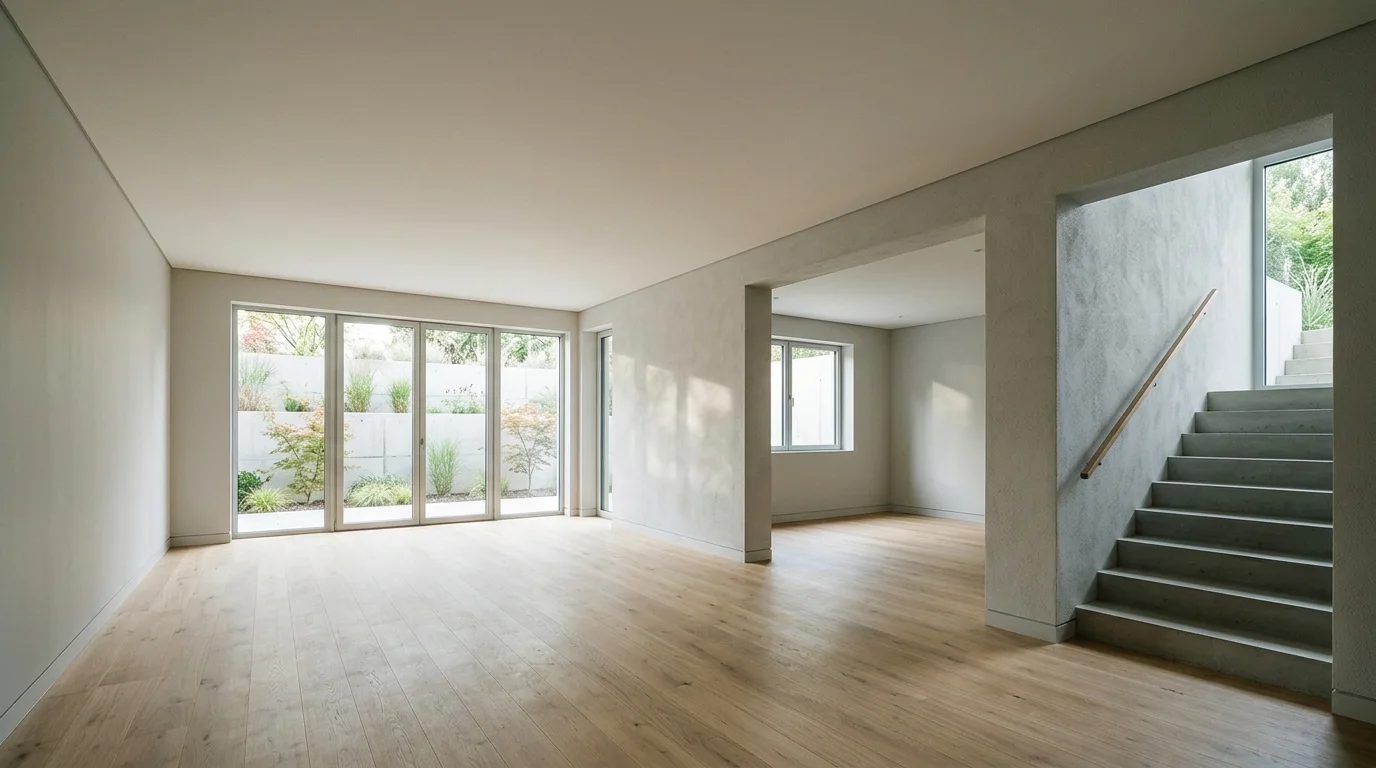
What are the ANSI/AARST standards for commercial radon testing density?
Commercial radon testing density is guided by the ANSI/AARST MA-MFLB-2023 standard. This standard specifies procedures and minimum requirements when measuring radon concentrations in shared structures, or portions of shared structures used for residential, non-residential, or mixed-use purposes. It helps facility managers determine if radon mitigation is necessary to protect current and future occupants. The EPA recommends mitigating if radon levels are 4.0 pCi/L or higher, noting that even lower levels still pose risk and can often be reduced to protect occupants’ health.
Core Placement Rules
While commercial standards provide specific protocols for large buildings, general EPA placement considerations include:
- Lowest Usable Levels: Test devices should be placed in the lowest level that could be used regularly by occupants.
- Regularly Occupied Spaces: Place test kits in rooms frequently used by building occupants to reflect typical exposure.
- Avoid Restricted Areas: Do not place test kits in kitchens, bathrooms, laundry rooms, closets, stairways, or areas with high humidity or strong drafts, as these locations can skew results.
Understanding these general density requirements is crucial for accurate assessment. For further details on commercial radon testing and mitigation, refer to our Commercial Radon Testing and Mitigation for St. Louis Buildings information.
How do commercial radon testing requirements differ by building type?
Commercial radon testing requirements adapt to various building types, even though a core standard applies. The ANSI/AARST MA-MFLB-2023 standard consolidates previous protocols into a single publication covering multifamily, school, commercial, and mixed-use buildings. Understanding these specific applications of the standard is crucial for facility managers to ensure compliance and effective risk assessment.
Multifamily Buildings
In multifamily structures, testing helps facility managers accurately assess risk across all residential units. The EPA and the Surgeon General recommend testing all homes below the third floor for radon. For more detailed guidance, see our page on Radon Testing and Mitigation for Apartment and Multifamily Buildings.
Schools and Daycare Centers
For schools and daycare centers, testing ensures areas where children and staff spend significant time are evaluated for radon levels. The EPA recommends fixing buildings if radon levels are 4.0 pCi/L or higher, emphasizing the importance of thorough testing in these sensitive environments.
General Office Buildings
General office buildings also require a comprehensive testing approach. Radon concentrations can vary significantly from room to room; therefore, a single reading in a common area may not accurately reflect conditions in individual offices or workspaces. Facility managers must ensure that testing covers the appropriate occupied spaces to protect employees and visitors.
What factors influence the number of radon test kits needed for a large building?
The number of radon test kits required for a large commercial building stems primarily from its structural characteristics and intended use. Industry standards, such as the ANSI/AARST MA-MFLB-2023 protocol, specify procedures for measuring radon concentrations in shared structures. Radon levels can fluctuate significantly from room to room, necessitating precise placement.
Primary Building Factors
Accurate planning for commercial facilities, including those requiring Radon Testing for Schools and Daycare Centers, depends on understanding several key factors that dictate the precise quantity and placement of radon test kits:
- Building Footprint and Layout: Large buildings with complex floor plans often require more detectors to cover distinct zones and ensure no areas are missed.
- Foundation Type: Buildings with basements, slab-on-grade foundations, or crawlspaces each present unique radon entry points, influencing where tests should be placed.
- HVAC Zoning: Different heating, ventilation, and air conditioning zones can create varying pressure differentials, affecting how radon moves and accumulates within a building.
- Occupancy Patterns: Regularly occupied rooms are prioritized for testing, aligning with the EPA’s action level of 4.0 pCi/L for mitigation consideration.
Why is precise room sampling critical for commercial radon compliance?
Precise room sampling is fundamental for accurate radon assessments in commercial buildings and for ensuring regulatory compliance. Inadequate testing can lead to inaccurate readings and missed areas of elevated radon, potentially exposing occupants to health risks. The ANSI/AARST MA-MFLB-2023 standard specifies procedures and minimum requirements when measuring radon concentrations in shared structures. This approach is critical for identifying all areas that may exceed the EPA action level of 4.0 pCi/L.
Risks of Inadequate Sampling
Adhering to proper sampling requirements is vital for several reasons:
- Inaccurate Readings: Insufficient sampling can result in readings that do not reflect true radon concentrations across the building, leading to false assurances or misinformed decisions.
- Missed Elevated Areas: Radon levels can vary significantly from room to room. Inadequate sampling risks overlooking specific zones where concentrations exceed the EPA action level of 4.0 pCi/L.
- Regulatory Non-Compliance: Failing to follow established protocols can lead to non-compliance with industry best practices and potential legal liabilities.
- Compromised Occupant Safety: Without precise data, facility managers cannot effectively protect building occupants from the long-term health risks associated with radon exposure.
How does commercial radon testing support overall facility health and safety?
Commercial radon testing is a fundamental aspect of maintaining overall facility health and safety, moving beyond mere compliance to proactive environmental health management. Diligent room sampling across a large building protects occupant well-being by systematically identifying and addressing potential radon hazards. The U.S. Surgeon General has issued a health advisory warning that indoor radon is the second-leading cause of lung cancer in the United States, underscoring the critical importance of detection and mitigation for public health.
Facility Management Benefits
By conducting thorough and regular radon assessments, facility managers demonstrate a strong commitment to due diligence in property stewardship. The Environmental Protection Agency (EPA) consistently recommends testing all buildings for radon and considering mitigation even for levels below 4.0 pCi/L, reinforcing its role in comprehensive facility management strategies. This commitment to indoor air quality provides several advantages:
- Creates healthier indoor environments for employees, tenants, and visitors.
- Reduces long-term health risks associated with radon exposure.
- Enhances a commercial property’s reputation and long-term value.
Are there different radon action levels for commercial buildings compared to homes?
No, the EPA’s recommended action level for radon is consistently 4.0 pCi/L for both commercial buildings and homes. While specific protocols for measurement, such as the ANSI/AARST MA-MFLB-2023 standard, detail procedures for testing in shared structures, the threshold for considering mitigation remains the same. The EPA advises that even radon levels below 4.0 pCi/L still pose some risk and can often be reduced to further protect occupants. This ensures a uniform safety standard across all environments.
Understanding the 4.0 pCi/L Threshold
The application of this standard means facility managers should keep the following in mind:
- The 4.0 pCi/L action level applies equally to offices, schools, and multifamily units.
- Concentrations below 4.0 pCi/L still carry health risks.
- Mitigation systems can often reduce lower radon levels even further.
Can short-term radon tests be used for commercial buildings?
Yes, short-term radon tests can be used for commercial buildings, particularly when quick results are needed for initial assessments or real estate transactions. These tests typically remain in place for 2 to 90 days, depending on the device, and are utilized within the procedures specified by the ANSI/AARST MA-MFLB-2023 standard for multifamily, school, and commercial structures. While short-term tests provide rapid insights, a comprehensive approach often involves multiple devices to account for radon variations across different rooms and to inform mitigation decisions effectively.
Uses for Short-Term Testing
Short-term testing is frequently utilized in commercial settings for:
- Initial facility radon assessments.
- Time-sensitive commercial real estate transactions.
- Identifying specific zones that may require long-term follow-up testing.
Who is qualified to perform commercial radon testing in large facilities?
Qualified professionals with specific certifications are essential for commercial radon testing in large facilities. These individuals or firms typically hold credentials from recognized programs or possess state-specific licenses, such as IEMA licensing in Illinois. The EPA recommends checking with your state radon office for lists of qualified service providers, as many states require professionals to be licensed, certified, or registered to ensure adherence to industry standards for accurate and reliable testing.
Verifying Provider Qualifications
When selecting a professional for a large building, facility managers should look for:
- State-specific licenses, such as an IEMA license for Illinois properties.
- Credentials from recognized national radon proficiency programs.
- Experience following ANSI/AARST standards for commercial and multifamily structures.
Ready to ensure your commercial property meets radon testing standards? Accurate room sampling is vital for compliance and occupant safety. Schedule a consultation with Air Sense Environmental today to discuss your facility’s specific needs and receive expert guidance on comprehensive radon assessment and mitigation strategies. Our professionals are here to help. Schedule a Consultation
Prepared with AI assistance using the linked primary sources. For property-specific advice, contact Air Sense Environmental.